NOV 206:59 AM ET
Long March 8A · SatNet LEO Group 30
Wenchang Space Launch Site · SatNet LEO Group 30
Launch Successful
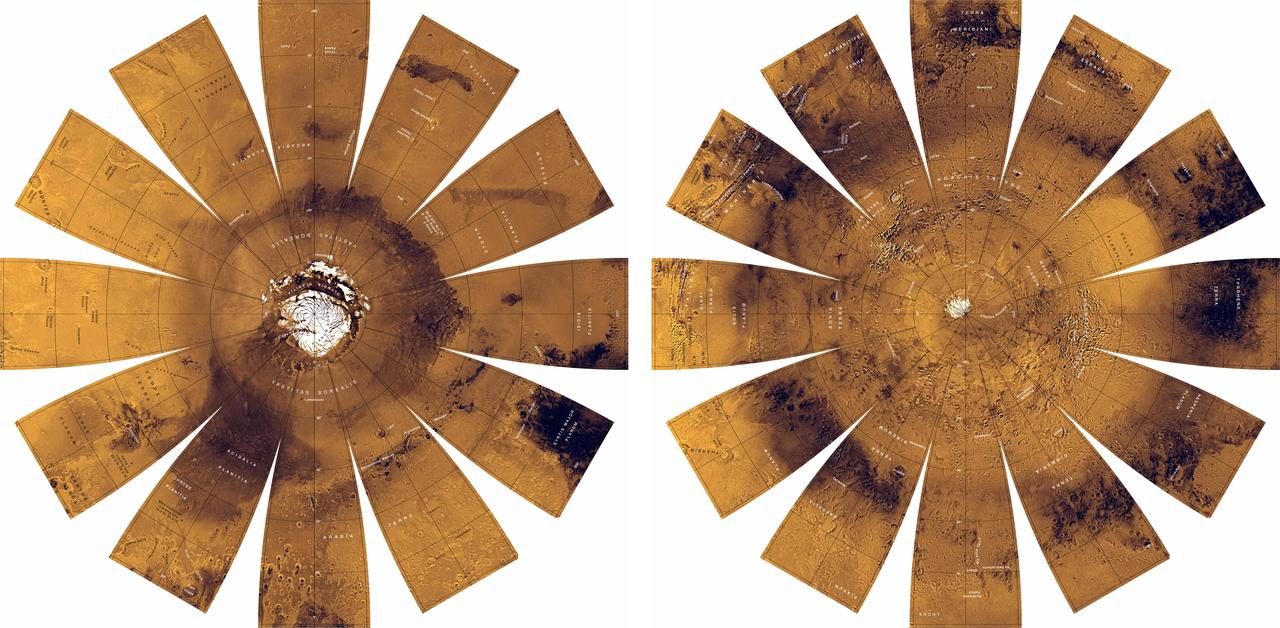
Image: NASA/JPL-Caltech
A field guide to the fourth world
Cold, windswept, and geologically immense. Mars holds the solar system’s largest volcano, its largest canyon system, and a record of rivers that vanished billions of years ago.
Look up
What's overhead where you are, computed live in your browser — no account, no tracking. Pick a city or share your location.
—
Loading forecast…
Today beyond Mars
Wenchang Space Launch Site · SatNet LEO Group 30
Vandenberg SFB · USSF-317
Vandenberg SFB · NROL-136
Guiana Space Centre · Amazon Leo (LE-04)
Baikonur Cosmodrome · Progress MS-36 (97P)
Vandenberg SFB · USSF-266
Jiuquan Satellite Launch Center · Shenzhou 24
Xichang Satellite Launch Center · Unknown Payload
Field notes
Original guides and explainers on Mars, the Moon, eclipses, and the night sky — written by MarsOMars.
A shooting star is usually a speck of comet dust burning up overhead. Here's what meteor showers are, why they happen on a schedule, and the three best chances to see one before the year is out.
Mars today is a frozen desert, but riverbeds, lake deltas, water-formed minerals, and a buried river found by Perseverance in 2026 all tell the same story: liquid water once flowed across the Red Planet.
Mars is rusty — literally. Iron-rich dust coats the whole planet, and that same dust flips Earth's sunset colors upside down, painting a blue halo around the setting Sun.
Mars rewards a change of scale. From orbit, ancient scars cross a hemisphere. At ground level, layered rock preserves a long environmental story.
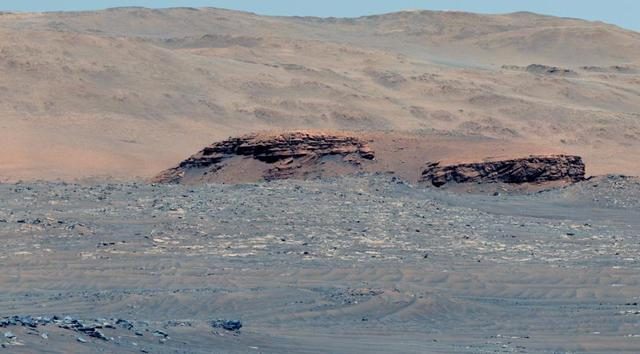
The fan-shaped delta where an ancient river emptied into Jezero Crater's lake — prime hunting ground for signs of past life.
Image: NASA/JPL-Caltech
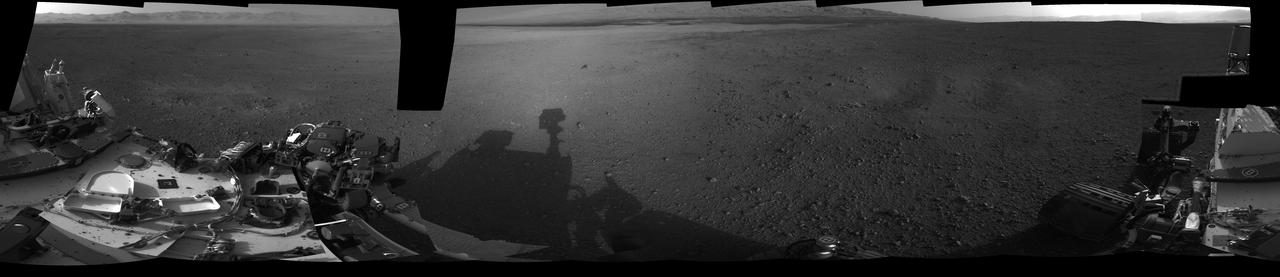
Curiosity's view across its landing site — layered rock that preserves billions of years of Martian climate history.
Image: NASA/JPL-Caltech
The rover is exploring Jezero Crater for evidence of past habitability and collecting carefully selected rock cores for possible future study on Earth.
Follow the mission at NASA ↗Three quick lenses make Mars easier to understand. Choose one to move from the everyday scale to the planetary.
Mars has about 38% of Earth’s surface gravity. A 100-pound object on Earth would weigh roughly 38 pounds there.
Missions
Six decades of robotic exploration, from the first flyby to rovers and a helicopter — by the United States, the Soviet Union, Europe, India, China, and the UAE.
First successful Mars flyby, returning the first close-up images of another planet.
First spacecraft to orbit another planet; it mapped about 85% of the Martian surface.
The first successful Mars landers; they ran the first experiments searching for signs of life.
The first rover on Mars — Sojourner rolled off the Pathfinder lander onto Martian soil in 1997.
Twin rovers built for 90 days; Opportunity kept exploring for nearly 15 years.
Nuclear-powered rover still climbing Mount Sharp in Gale Crater, studying Mars’ ancient habitability.
Landed in Jezero Crater in 2021; Ingenuity made the first powered flight on another world.
Mars 2 crashed, but Mars 3 achieved the first soft landing on Mars (Dec 2, 1971) — falling silent seconds later.
Europe’s long-running orbiter, still mapping Mars in 3D and relaying data for surface missions.
India’s first interplanetary mission — the first Asian nation at Mars, and the first to succeed on its first attempt, on a budget of about $74 million.
China put an orbiter, a lander, and the Zhurong rover on Mars in a single mission — a first.
The first Arab interplanetary mission, studying the Martian atmosphere across a full Martian year.
Young explorers
Hands-on projects and games for young astronomers and engineers: build a Mars rover, assemble a working telescope, and explore the solar system.
NASA’s website just for kids: space games, hands-on crafts, short videos, and articles about the planets, in English and Spanish.
A JPL engineering challenge: design a rover out of pasta and glue, race it down a ramp, and iterate on your design like a real engineer.
Construct a working refracting telescope from cardboard tubes and lenses, then take it outside and explore the night sky.
Play as the rover, the scientist, and the engineer: plan command sequences and drive a mission across the surface of Mars.
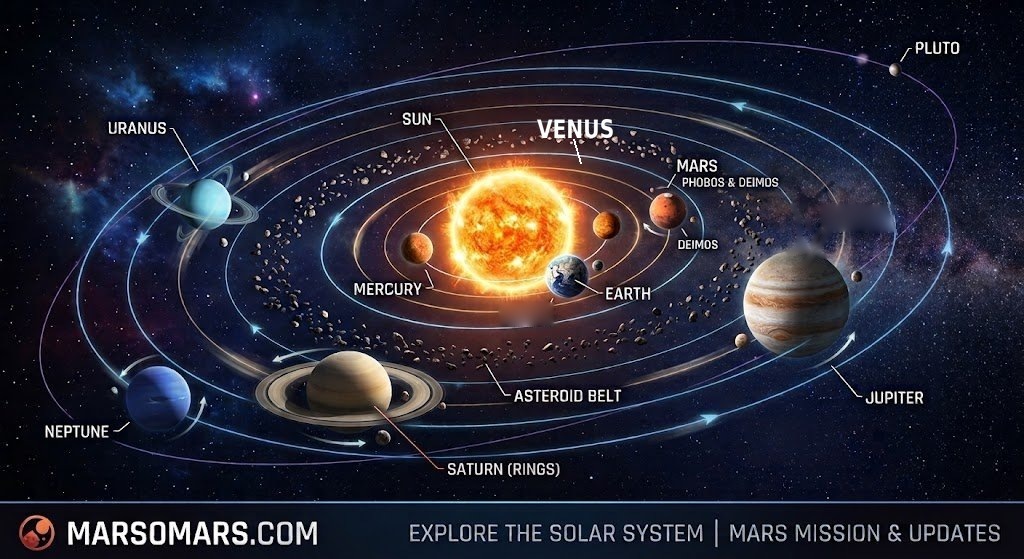
Iron minerals in Martian soil oxidize, tinting the dust and the atmosphere’s haze with its familiar ochre color.
Ancient valleys, deltas, lakebeds, and water-formed minerals show that liquid water once moved across the surface.
Thin air can produce clouds, winds, dust devils, and storms large enough to wrap around the planet.
Small, irregular Phobos and Deimos orbit Mars. Phobos is slowly spiraling inward and will not last forever.